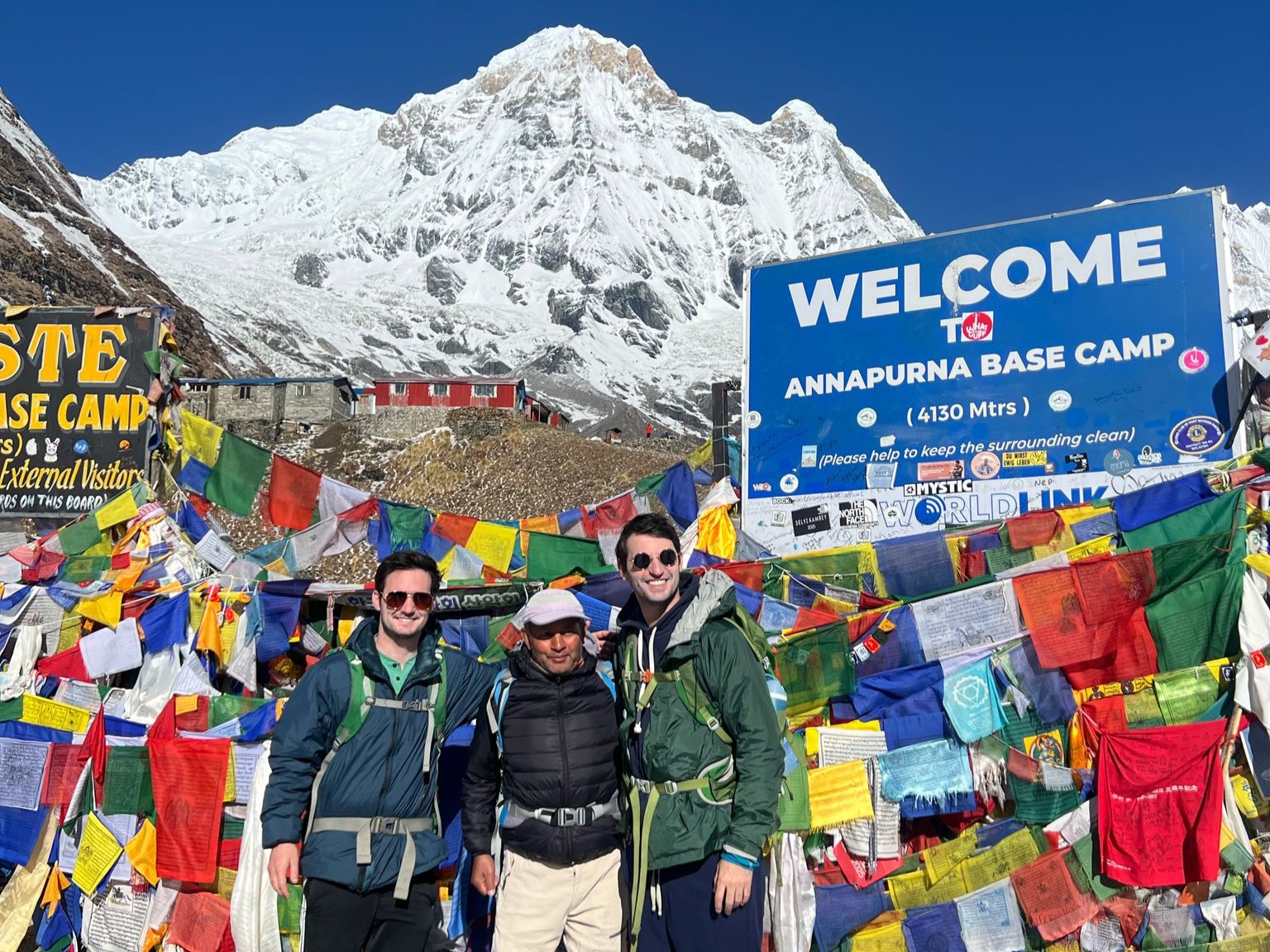
Stand inside the Annapurna Sanctuary at 4,130 m — the classic Himalayan pilgrimage, done right.
This 7-day itinerary is the best-optimised route to Annapurna Base Camp (4,130 m) starting from Birethanti — carefully designed to balance time efficiency, safe altitude acclimatization, and an authentic trekking experience without dangerous rushing. The route begins with a cultural highlight in Ghandruk, one of the largest and most beautiful Gurung villages in the Annapurna region, before entering the dramatic Modi Khola gorge and ascending into the Annapurna Sanctuary.
Unlike shorter, more rushed versions of this trek, this itinerary includes a strategic overnight at Sinuwa on Day 2 — significantly safer for acclimatization than pushing directly to Dovan. The descent rewards trekkers with a relaxing soak at the Jhinu Danda natural hot springs before the final drive back to Pokhara. This is the ideal choice for trekkers with 7 days and good fitness who want to experience the Annapurna Sanctuary without compromise.
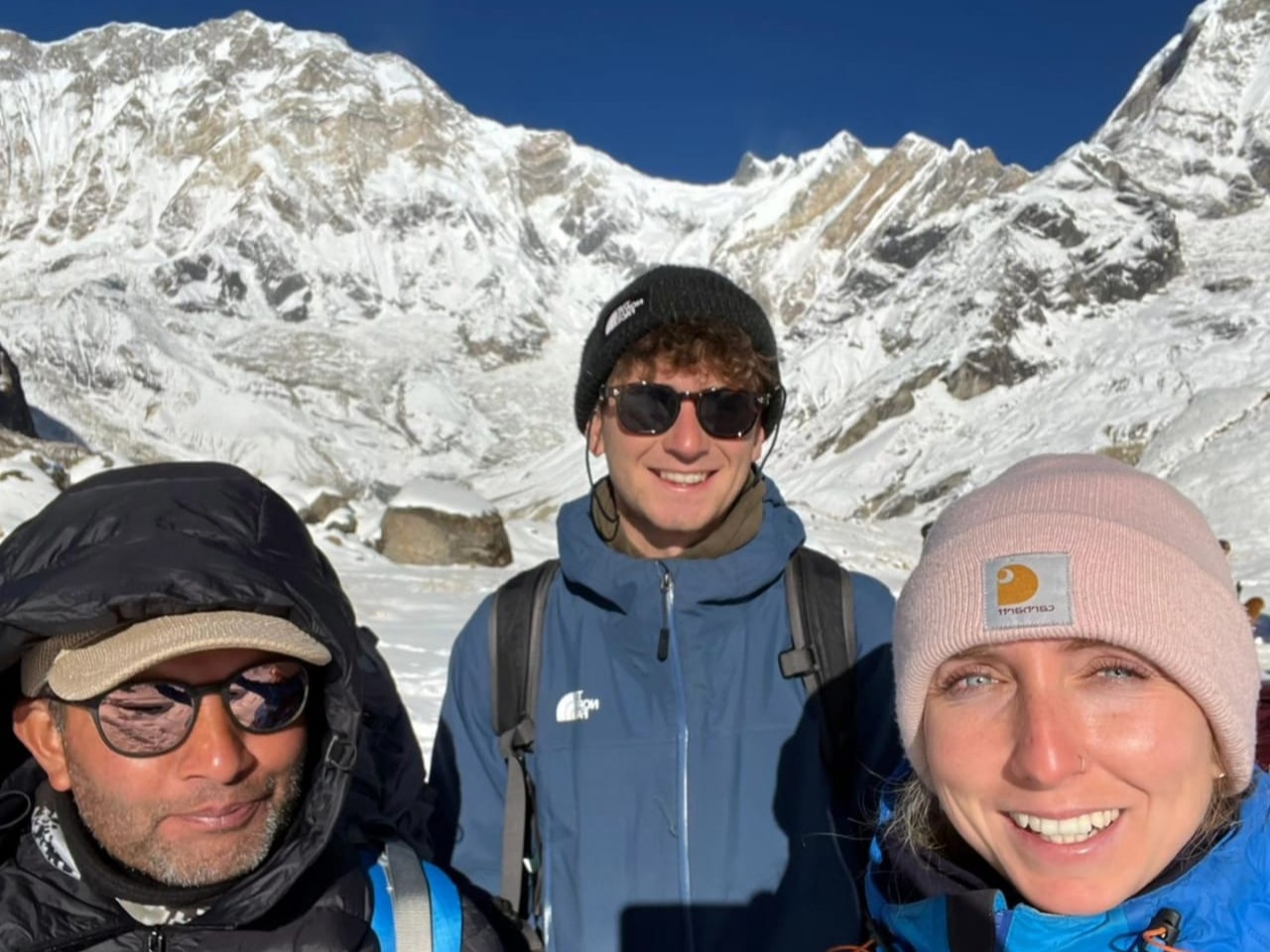
Trail gallery
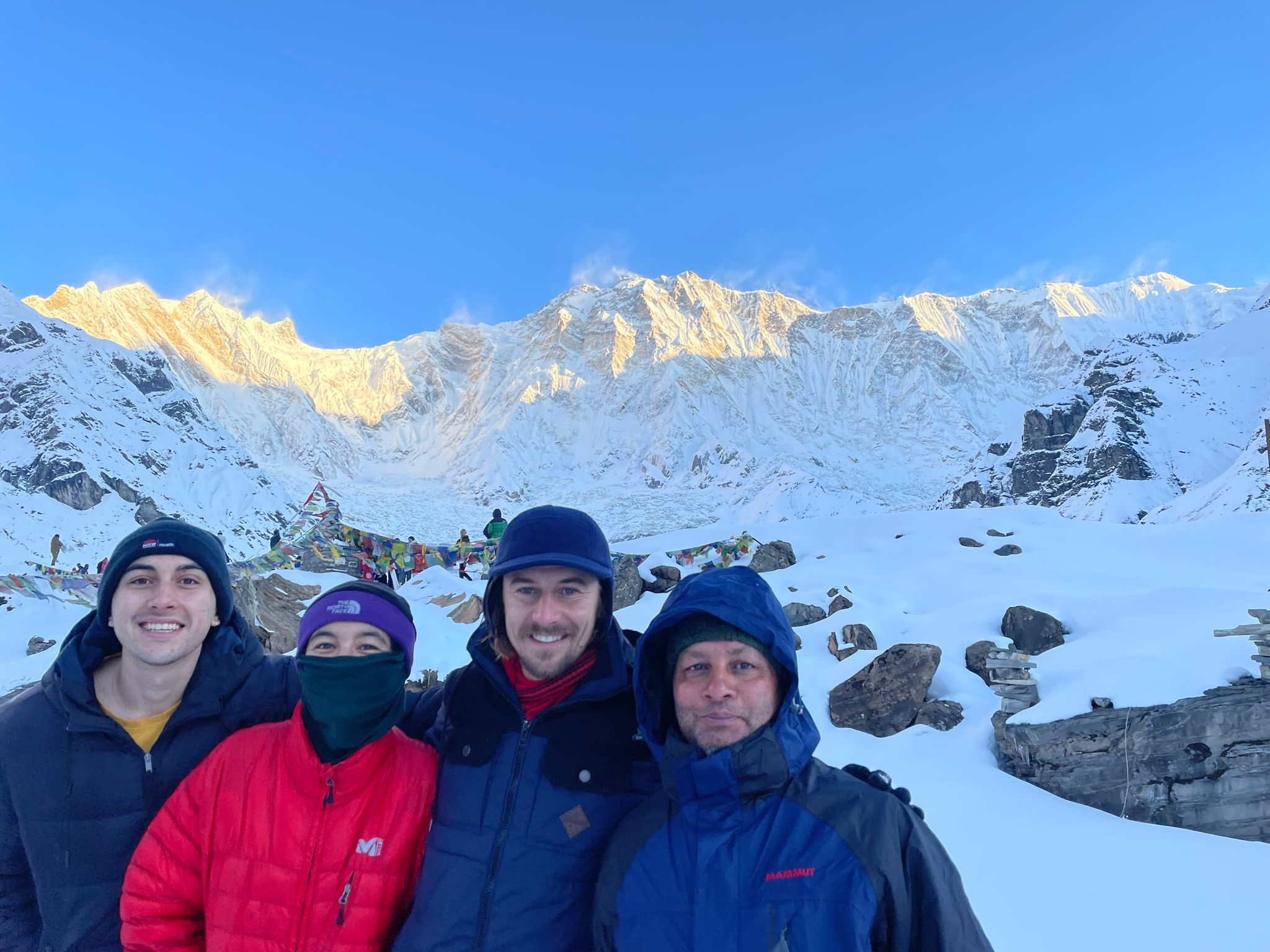
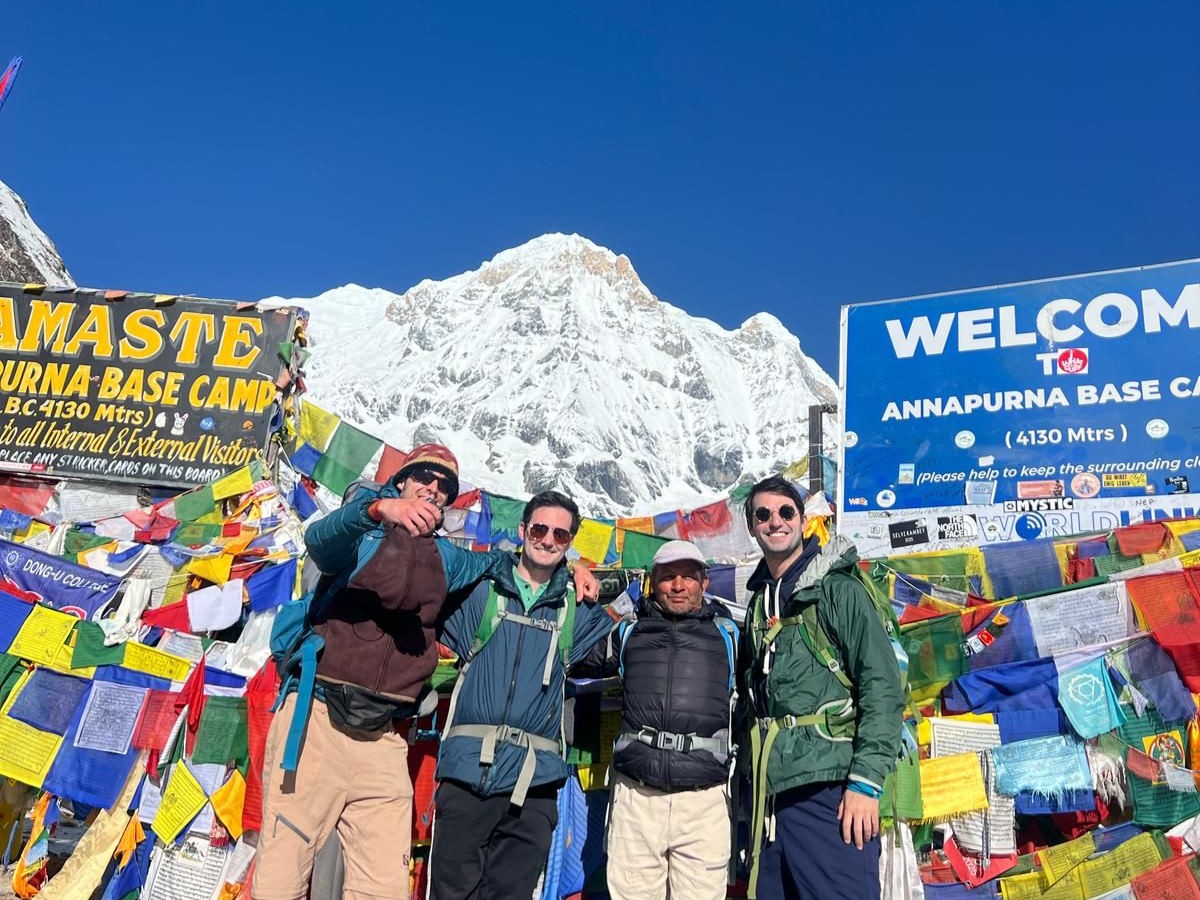
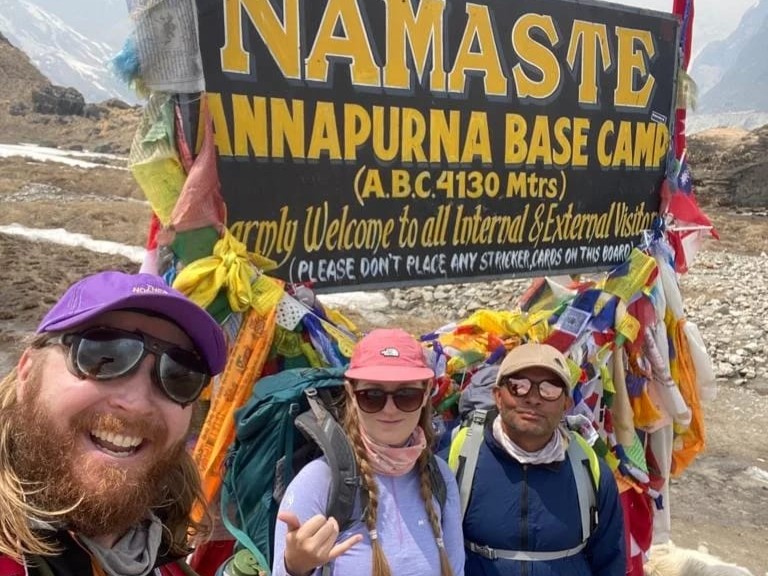
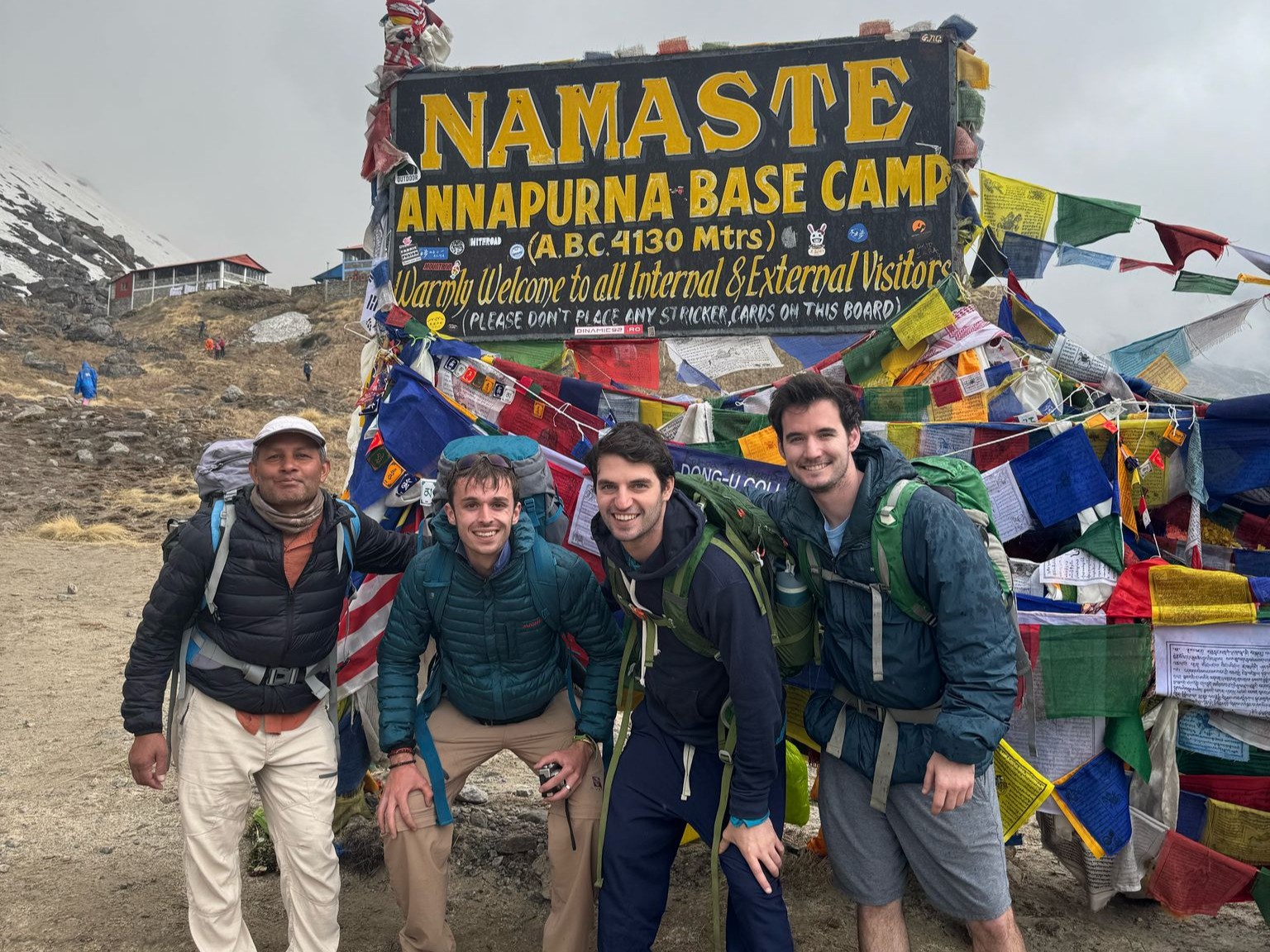
Drive: ~1.5–2 hrs | Trek: 4–5 hrs | Altitude: 1,940 m | Overnight: Ghandruk
After an early breakfast in Pokhara, your guide and private vehicle will drive you to Birethanti — the trailhead for this route.
Trek: 5–6 hrs | Altitude: ~2,340 m | Overnight: Sinuwa
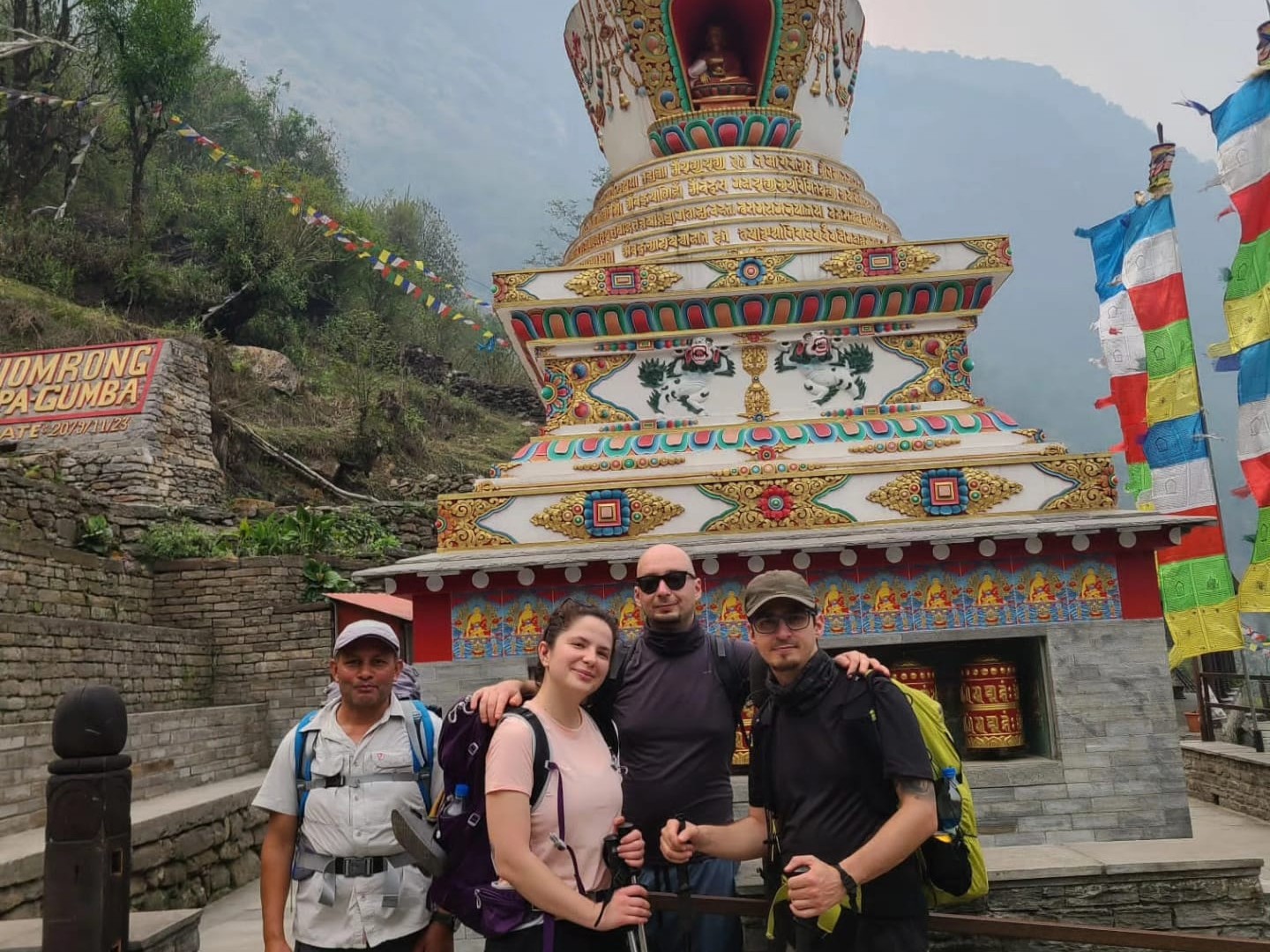
Descend from Ghandruk to the Kimrong Khola river before a steady climb up to Chhomrong (2,170 m) — the last major village before the Annapurna Sanctuary.
Trek: 6–7 hrs | Altitude: ~3,200 m | Overnight: Deurali
Today is the longest and most varied day of the trek. The trail descends from Sinuwa into dense bamboo forest — lush, atmospheric, and alive with birdsong.
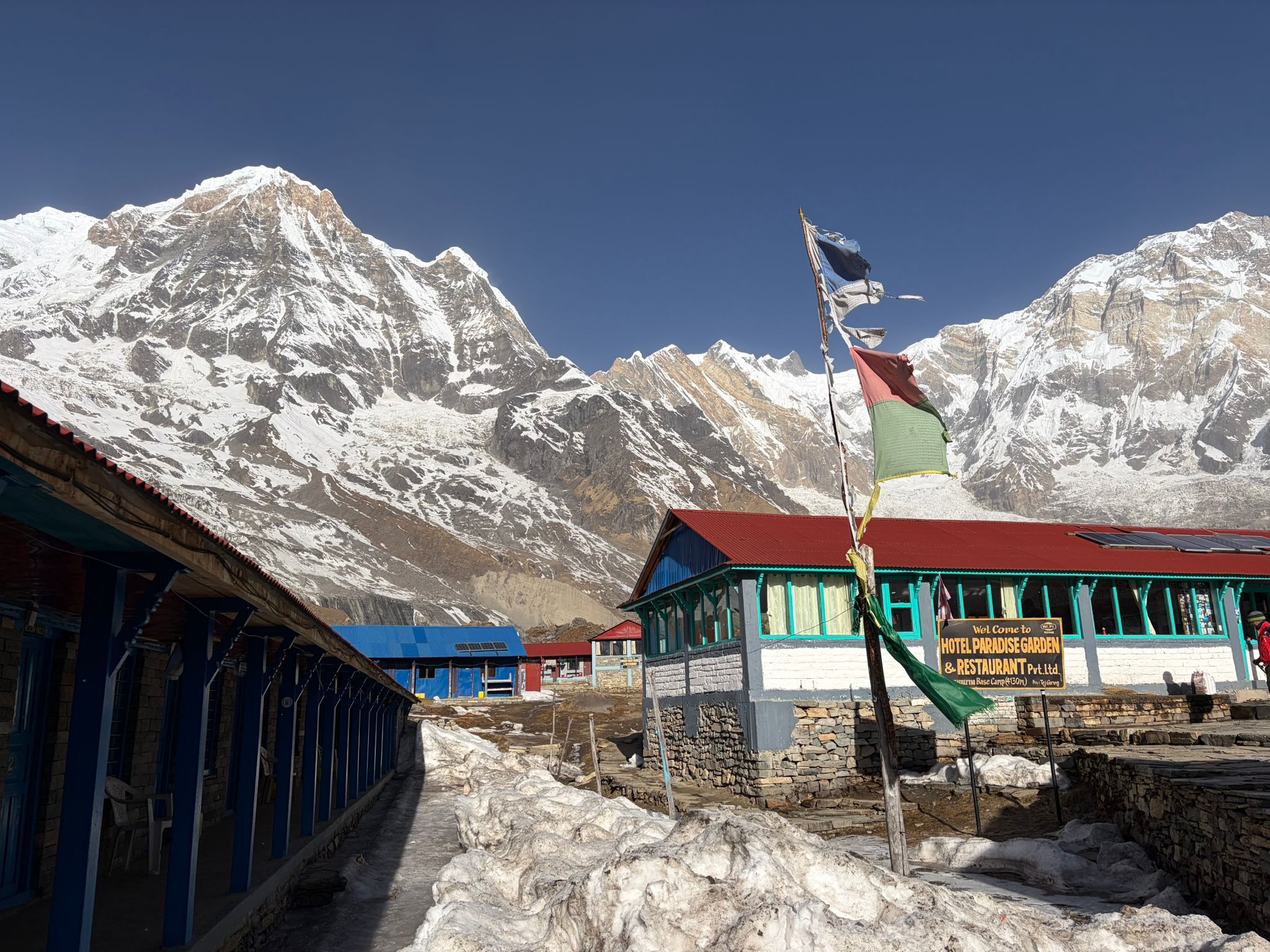
Trek: 5–6 hrs | Max Altitude: 4,130 m | Overnight: ABC
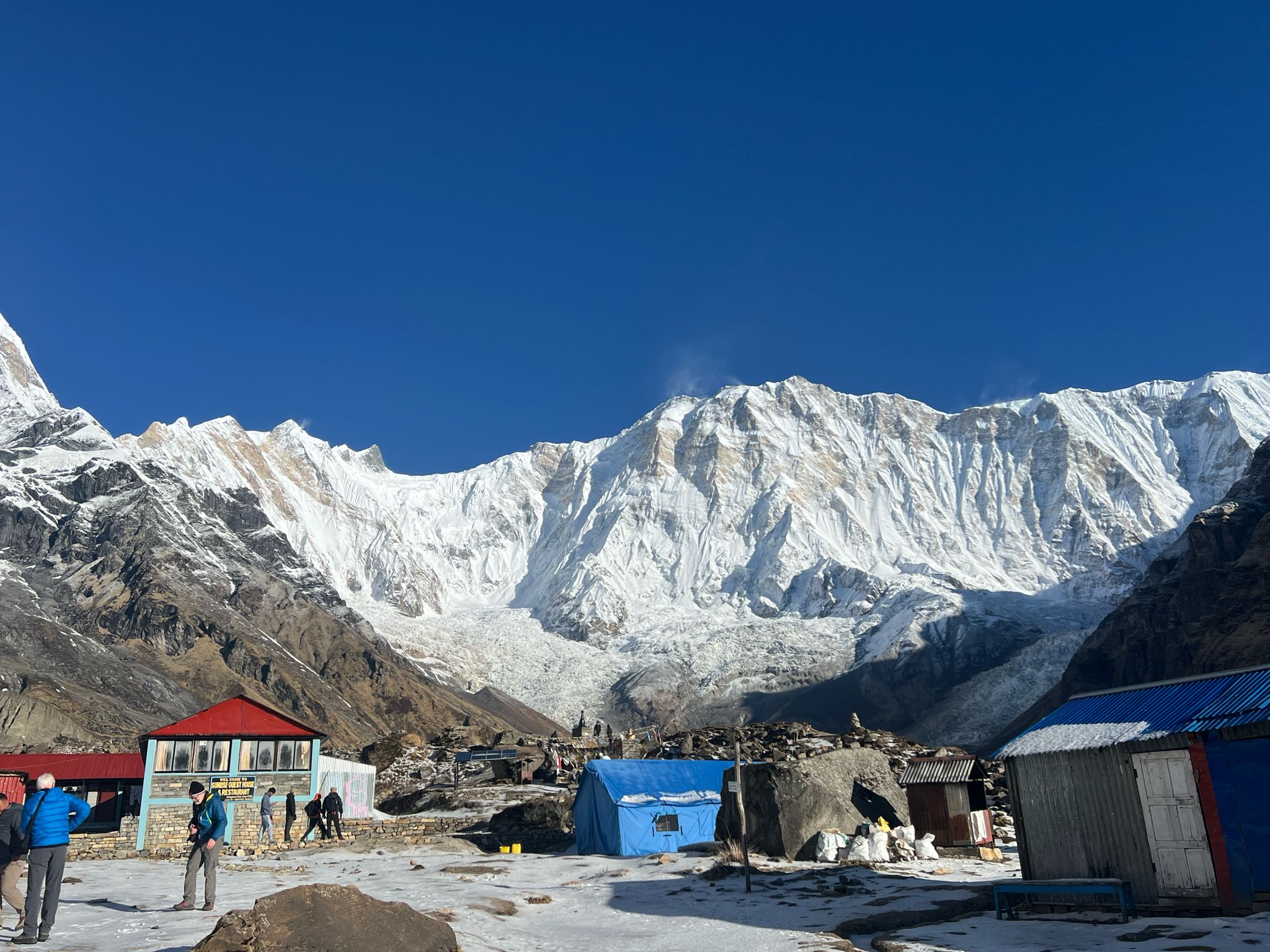
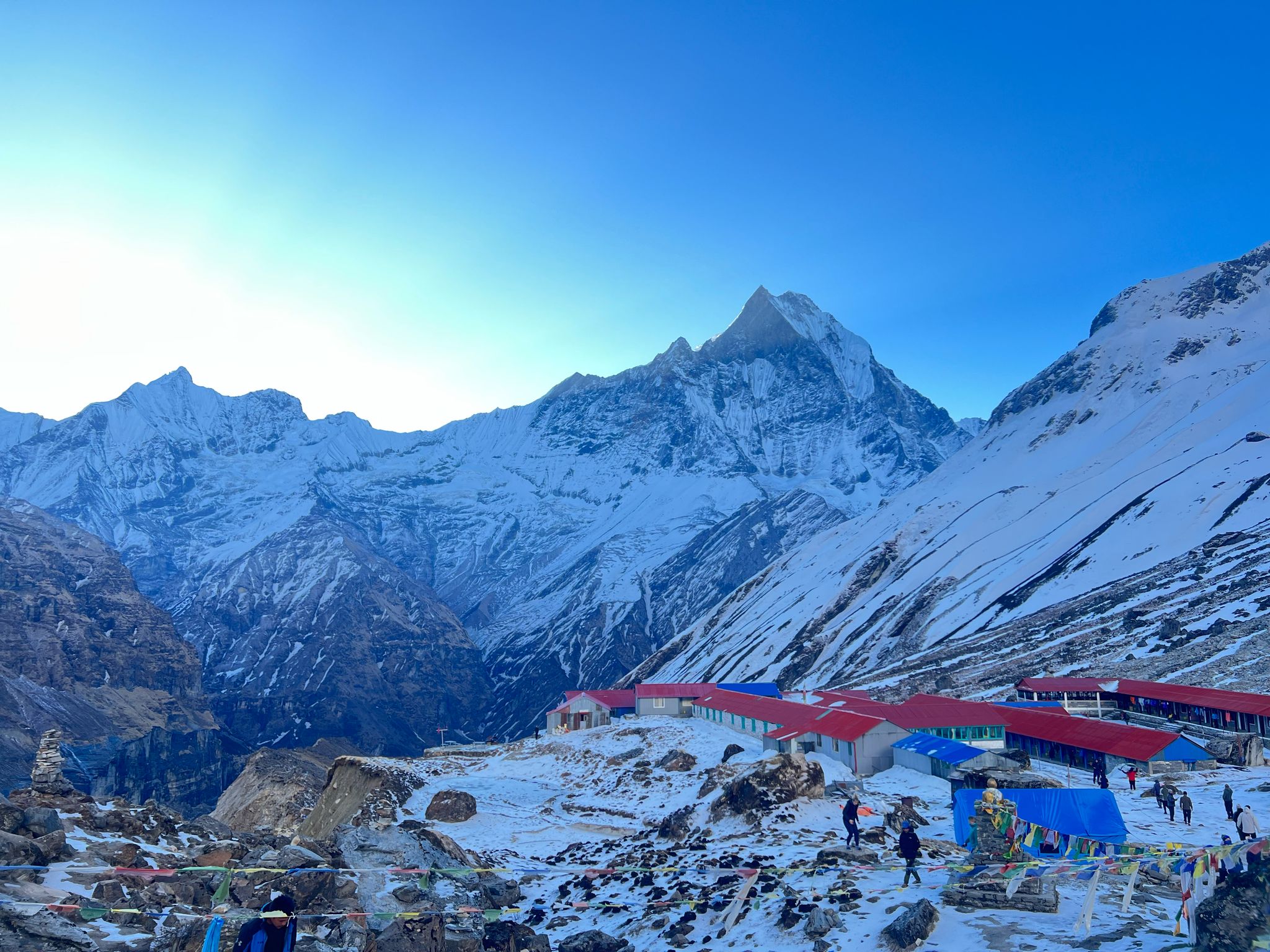
The highlight of the entire trek. From Deurali, the trail crosses open moraines and glacial debris as the walls of the sanctuary close in dramatically on all sides.
Trek: 6–7 hrs (descent) | Altitude: ~2,310 m | Overnight: Bamboo
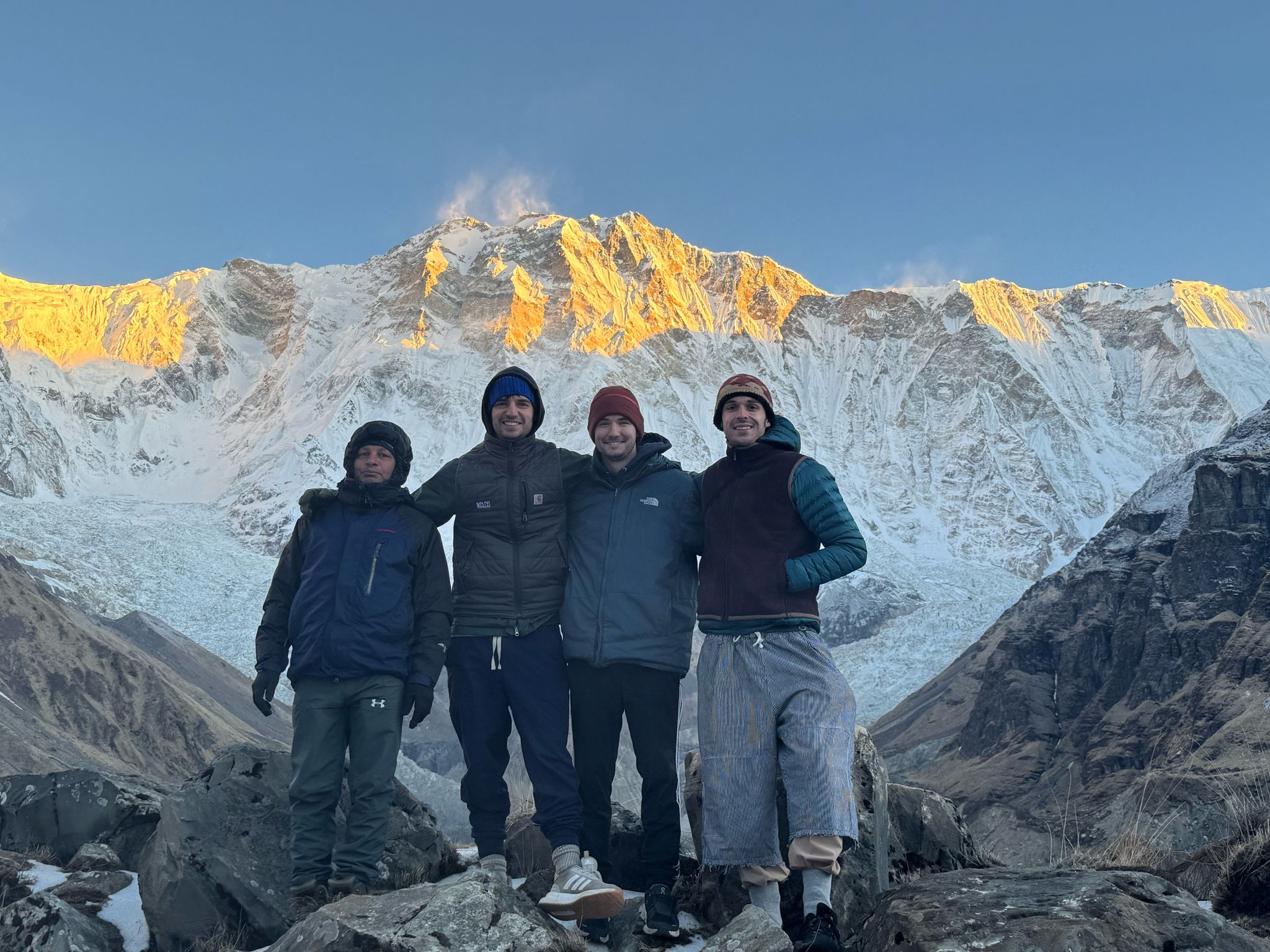
Wake before sunrise for the most spectacular light show in the Himalayas — golden rays gradually illuminating the surrounding 7,000-m and 8,000-m peaks from inside the sanctuary.
Trek: 5–6 hrs | Altitude: ~1,780 m | Overnight: Jhinu Danda
Continue the descent from Bamboo through Sinuwa and back up to Chhomrong before branching off to Jhinu Danda (1,780 m) — a small riverside village famous for its natural hot springs.
Trek: 2–3 hrs | Drive: ~1.5 hrs | End of Trek
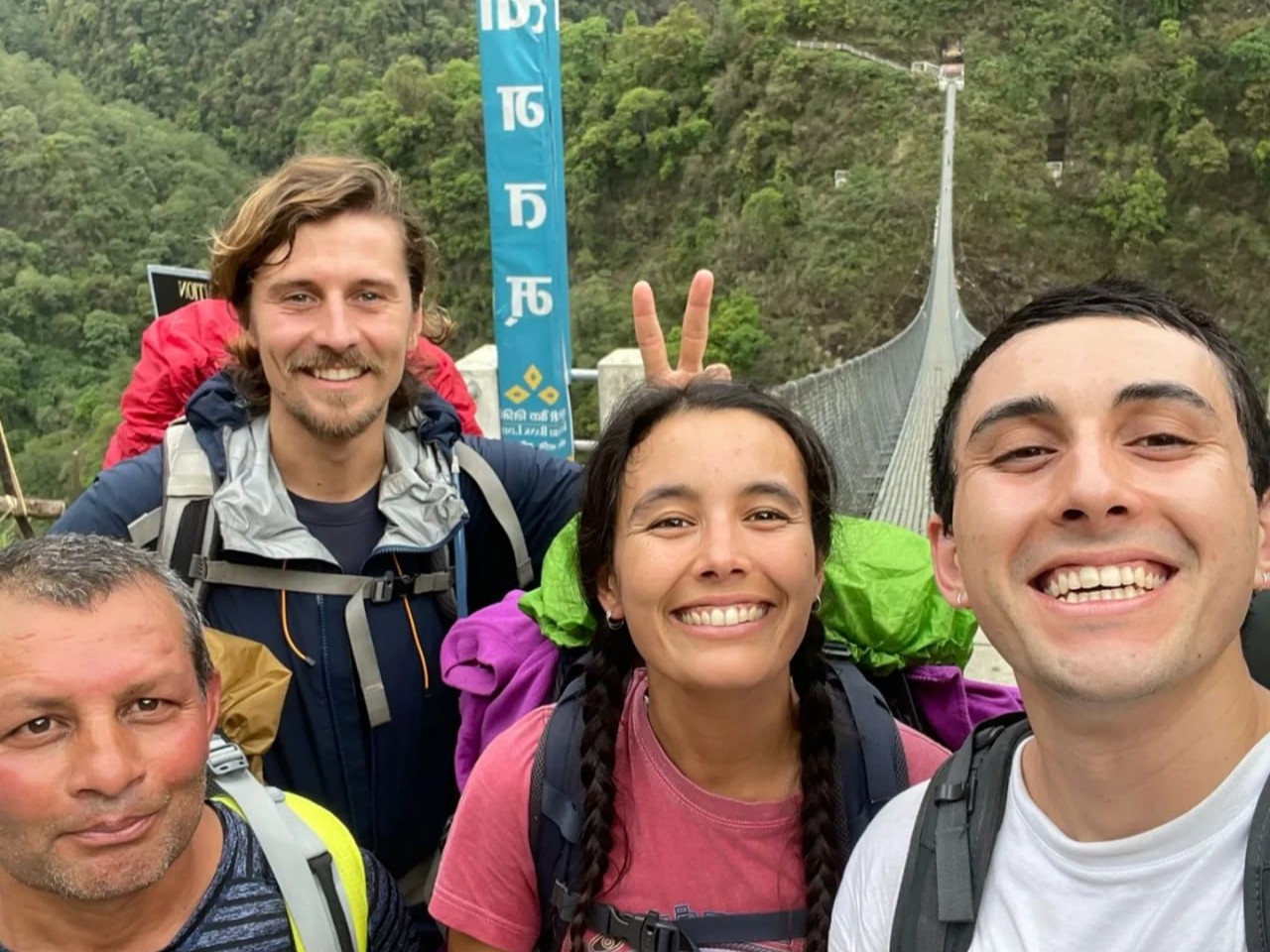
A short and pleasant final morning trek from Jhinu Danda down through terraced farmland and riverside trails to Nayapul / Birethanti.
| Permit Type | Cost (NPR) | Obtained From |
|---|---|---|
| Annapurna Conservation Area Permit (ACAP) | NPR 3,000 / person | NTB Office or through your agency |
| TIMS Card (with agency) | NPR 1,000 / person | Nepal Tourism Board (NTB) |
| TIMS Card (independent trekker) | NPR 2,000 / person | Nepal Tourism Board (NTB) |
| Trek Duration | 7 Days / 6 Nights |
| Trek Grade | Moderate |
| Maximum Altitude | 4,130 m (Annapurna Base Camp) |
| Trek Start | Birethanti (via Pokhara drive) |
| Trek End | Pokhara (via Birethanti drive) |
| Best Season | Spring (Mar–May) & Autumn (Sep–Nov) |
| Accommodation | Teahouses / Lodges |
| Meals on Trek | Breakfast, Lunch & Dinner |
| Daily Walking | 5–7 hrs |
| Required Permits | ACAP + TIMS Card |
| Minimum Age | 12+ Years |
Read before you go
Key route details for timing, cash, safety and comfort on this trek.
This is a tight 7-day schedule — good physical fitness is required before departure.
Travel insurance covering emergency helicopter evacuation is mandatory. Carry proof.
Never push through altitude sickness — descend immediately if severe symptoms develop.
Always start trekking early, especially on Day 3 & 4 (best weather + safer conditions).
ABC nights can drop well below freezing — a quality −15°C sleeping bag is essential.
Teahouse facilities become very basic above Chhomrong — set expectations accordingly.
The itinerary may be adjusted due to weather, trail, or individual pace — flexibility is key.
Tipping is customary and appreciated: USD 10–15/day for guide; USD 6–10/day for porter.
Carry reusable water bottles and avoid single-use plastics throughout the trek.